Heat Training Grant Support
We are really pleased to have been selected again as a training provider under the UK Government's Heat Training Grant support scheme for the 2025/26 financial year.
This support means we are able to offer our standard training courses, free of charge (*).
(*) These supported training courses are all subject to the availability of our allocation of places in the current round of funding for the Heat Training Grant. Applicants need to be based in England to be eligible for support by the Heat Training Grant. See their website for further criteria.
Course List
We offer a selection of defined training courses (detailed below) that meet the typical needs of on-site installers and supervisers. Where indicated, some of our courses also are CPD Certified by the CPD Certification Service.
Bespoke Content
In addition to our standard courses, we can tailor our training to meet any exact requirements that our clients may require. Please contact us to discuss your training requirements.
Designed for heat networks
There are two standard training courses on offer, plus options to create bespoke sessions according to our clients’ requirements. It is often said that the most important part of a buried pre-insulated heat network is the joints. Whilst there are many important parts to a heat network, ensuring that the joints to the service pipes and outer casings are made with the highest levels of integrity is paramount. Failure to ensure that the joints are correctly installed will risk significant repercussions in the system performance and reliability. With this in mind, our courses include:
COURSE ONE:
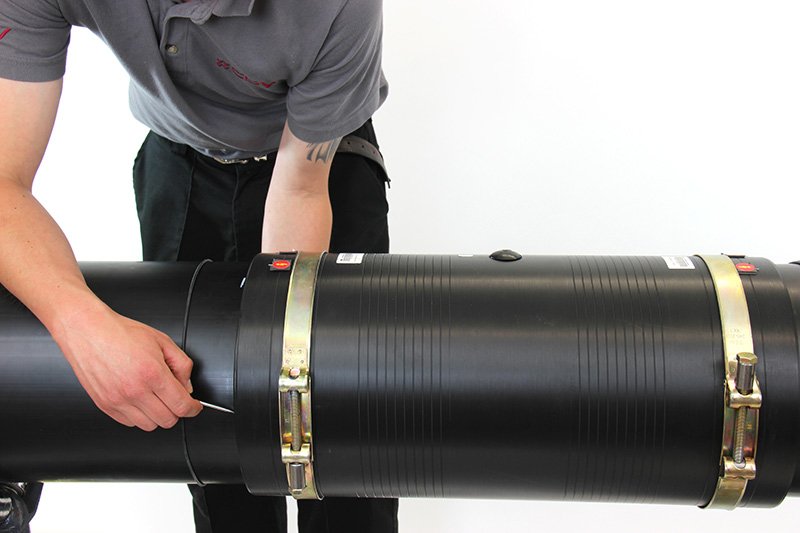
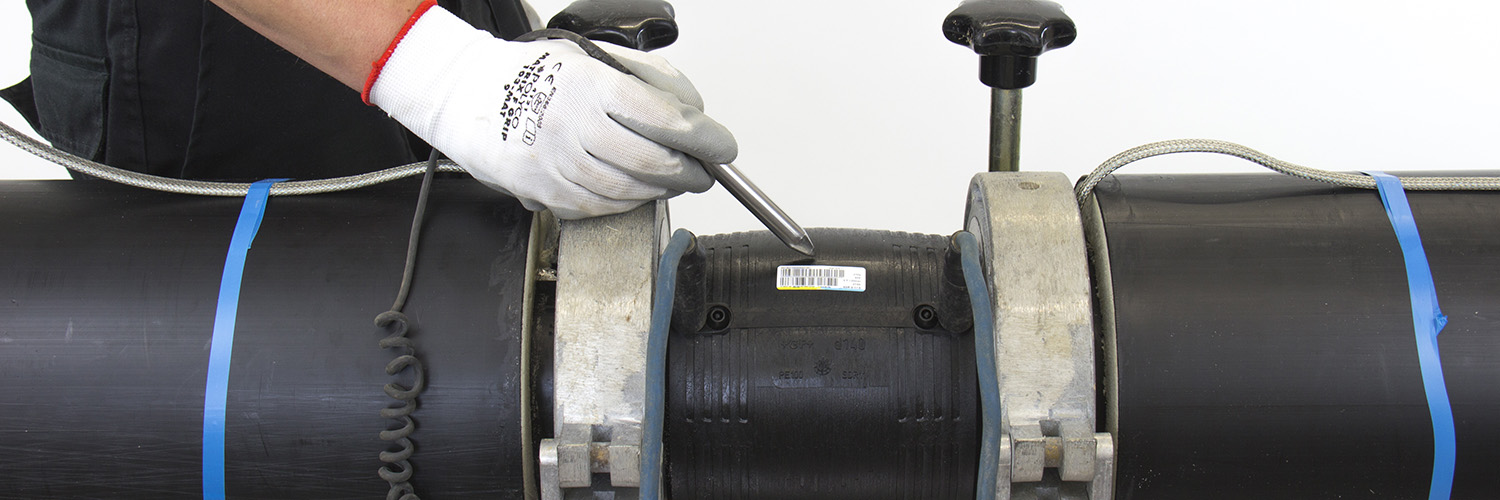
This new, CPD Certified, combined course covers all the correct techniques for joining the constituent parts of a pre-insulated polymer pipe system.
- Service Pipes - includes joint preparation and the use of butt-fusion and electro-fusion welding machines, alignment clamps and other considerations for the primary service pipes.
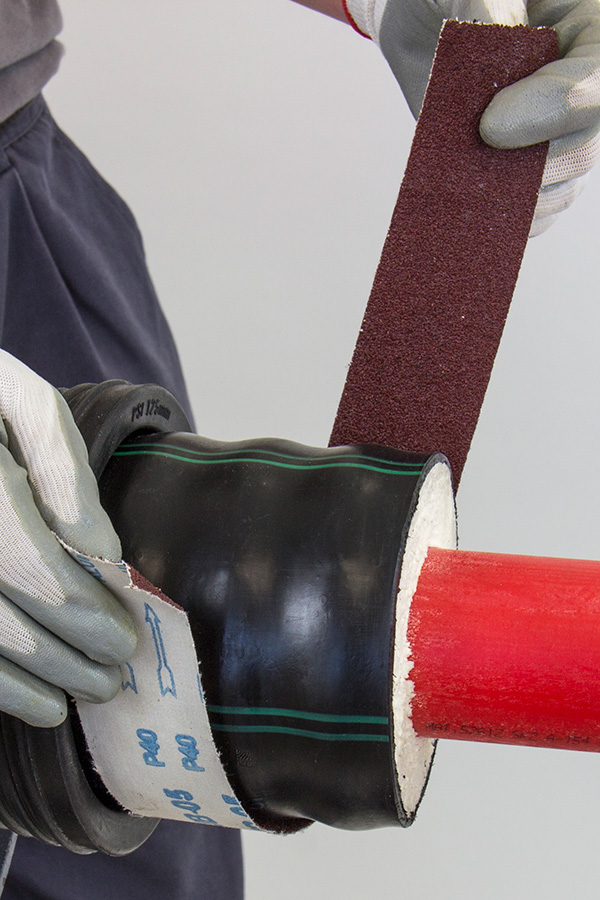
- Outer Casings - jointing techniques for electro-fusion, shrink and mechanical outer casing joints, covering the use of insulation in both PUR moulded half-shell foam and two-part bottled PUR foam mixes.
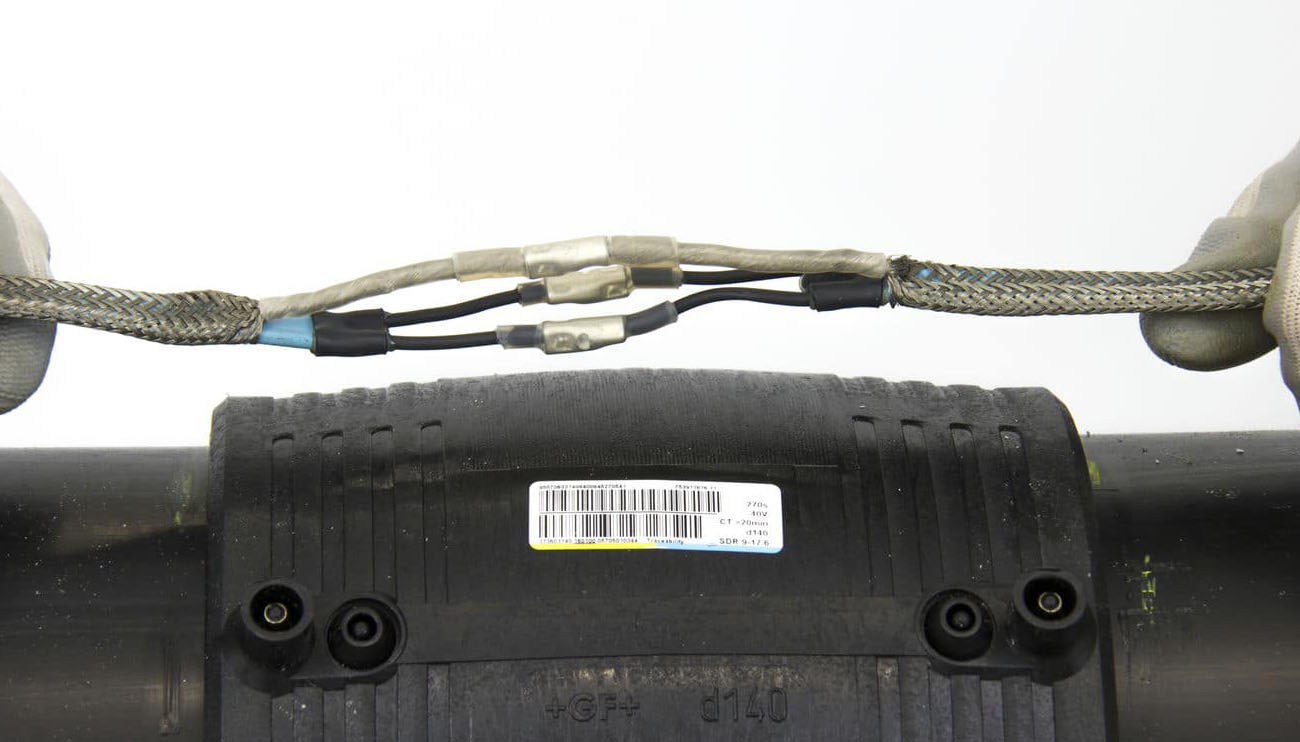
- Testing and Inspection - outer casing air tests for electro-fusion and heat-shrink joints and documentation of joints.
- Casing Repairs - demonstration of techniques for the correct repair of damaged casings.
Course Location
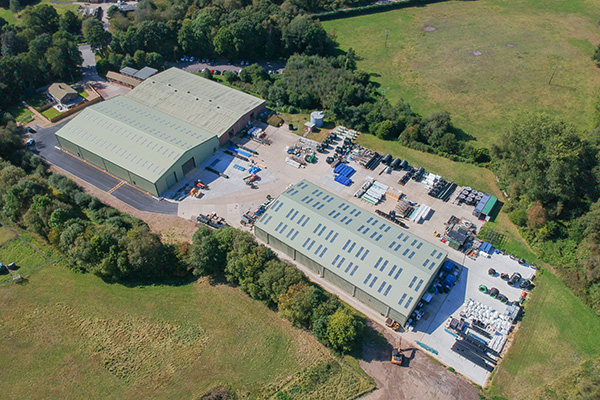
This course takes place at our training centre based in Hampshire.
COURSE TWO:
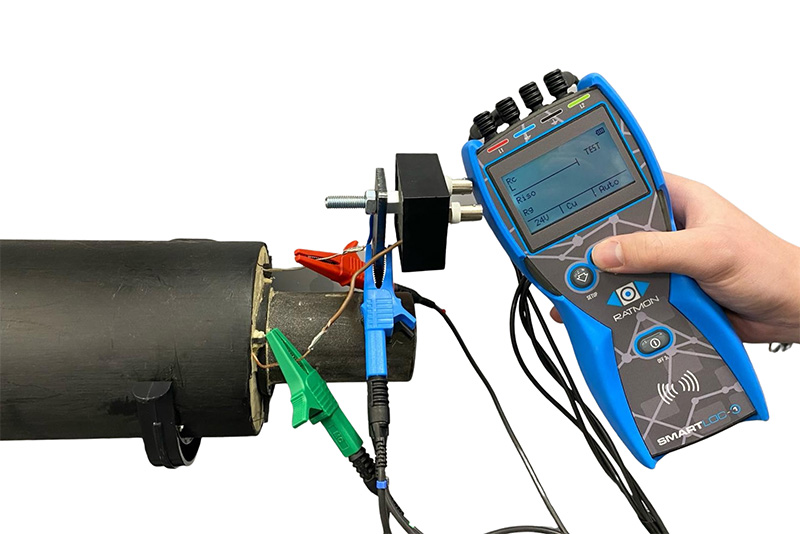
This course covers a wide range of topics for surveillance systems, including an overview of design, types of systems, correct installation, operation, monitoring systems and fault-finding techniques.
- Introduction - to leak detection systems and exploring the different types and techniques available – understanding key components.
- Installation – covering the joint installation for wires and components, along with configuration of installed systems.
- Monitoring and alarm systems – setting up monitoring systems for real-time surveillance, software and demonstration of field tests.
- Integration with BMS – integrating the leak detection systems with building management systems and utilising data for predictive maintenance.
- Maintenance and troubleshooting – exploring routine maintenance tasks and troubleshooting common issues.
Course Location
This course can take place at our Hampshire training centre, or we can host it at our client's own live heat networks. Please contact to discuss this.
Course Content
Please click each of the courses to expand the details and show the course content covered. If you have any questions regarding these courses or other training requirements, please contact us.
This new, CPD-certified, combined course covers all the correct techniques for joining the constituent parts of a pre-insulated polymer pipe system.
- Service Pipes - includes joint preparation and the use of butt-fusion and electro-fusion welding machines, alignment clamps and other considerations for the primary service pipes.
- Outer Casings - jointing techniques for electro-fusion, shrink and mechanical outer casing joints, covering the use of insulation in both PUR moulded half-shell foam and two-part bottled PUR foam mixes.
- Testing and Inspection - outer casing air tests for electro-fusion and heat-shrink joints and documentation of joints.
- Casing Repairs - demonstration of techniques for the correct repair of damaged casings.
COURSE CONTENT INCLUDES:
- Introduction to Pre-insulated Pipes:
- Understand the concept of pre-insulated pipes and their applications.
- Familiarise trainees with the various components, including the service pipe, insulation, and outer casing.
- Pipe Types, Materials and Tools:
- Identify and explain the different service pipe materials used such PE-X, PP-R, PE
- Identify and explain the different types and materials used in outer casings, such as electrofusion, shrink and mechanical types
- Provide hands-on training with the tools required.
- Safety Procedures:
- Emphasise safety measures, including the use of personal protective equipment (PPE) such as gloves and safety glasses.
- Train on correct handling and storage of materials to avoid accidents and injuries.
- Surface Preparation:
- Instruct on the importance of cleaning and preparing the surfaces before jointing.
- Demonstrate techniques for removing contaminants and ensuring a clean bonding surface.
- Cutting Service Pipes and Casings:
- Teach correct cutting techniques for the service pipe.
- Teach correct cutting techniques for the outer casing material based on the specific types i.e. HDPE Rigid, LDPE Flexible and PP-R Rigid
- Emphasise precision to ensure accurate fitting and a tight seal.
- Joining Methods:
- Introduce different service pipe joining methods based on materials and applications i.e. Press, compression, electrofusion and butt weld.
- Introduce different outer casing joining methods based on the outer casing material i.e. Electrofusion, shrink and mechanical type.
- Explain the significance of each method and demonstrate the correct execution.
- Testing, Insulation Integration and Sealing:
- Give an overview on testing techniques
- Discuss the integration of insulation components and how to maintain the insulation's effectiveness i.e. half-shells and liquid PUR
- Train on the application of foaming and adhesives to create a secure joint.
- Quality Control:
- Emphasise the importance of inspecting joints for quality.
- Train on identifying common defects and how to rectify them.
- Environmental Considerations:
- Discuss factors such as temperature variations, exposure to weather and how they may affect joint integrity.
- Provide guidance on selecting appropriate outer casing materials based on environmental conditions.
- Waste treatment and recycling
- Troubleshooting:
- Equip trainees with troubleshooting skills for addressing issues that may arise during or after jointing.
- Provide scenarios for problem-solving exercises.
- Repair and Testing Techniques for Outer Casings:
- Inspection and assessment of casing damage
- Evaluate the type of casing used in the pipe to choose an appropriate repair method i.e. HDPE, LDPE, PP-R
- Selecting the most suitable repair method i.e. electrofusion, extrusion, shrink or mechanical types
- Demonstrate repair techniques
- Training on procedures on urgent, unplanned repairs
- Insulation options for repairs
- Testing and inspection of repairs
- Documentation and Record Keeping:
- Emphasise the importance of maintaining accurate records of jointing procedures.
- Documenting casing repairs, including materials used, curing times and testing results.
- Maintaining logs for future reference
- Train on documentation practices to ensure traceability and accountability.
- Regulatory Compliance:
- Provide an overview of relevant industry standards and regulations governing preinsulated pipe installations i.e. Code of Practice CP1, EN15632, EN13941, EN253, EN489
- Ensure trainees understand and adhere to compliance requirements.
This course covers a wide range of topics for surveillance systems, including an overview of design, types of systems, correct installation, operation, monitoring systems and fault-finding techniques.
- Introduction - to leak detection systems and exploring the different types and techniques available – understanding key components.
- Installation – covering the joint installation for wires and components, along with configuration of installed systems.
- Monitoring and alarm systems – setting up monitoring systems for real-time surveillance, software and demonstration of field tests.
- Integration with BMS – integrating the leak detection systems with building management systems and utilising data for predictive maintenance.
- Maintenance and troubleshooting – exploring routine maintenance tasks and troubleshooting common issues.
COURSE CONTENT INCLUDES:
- Introduction to Leak Detection Systems:
- Definition and purpose of leak detection systems for pre-insulated pipes.
- Importance of early detection in preventing damage and reducing maintenance costs.
- Types of Leak Detection Systems:
- Overview of different types of leak detection systems available
- Understanding components and what their functions are.
- Installation and Configuration:
- Correct joint installation procedures for wires and components.
- Configuration of sensitivity levels and thresholds for accurate detection.
- Monitoring and Alarm Systems:
- Setting up monitoring systems for real-time surveillance
- Understanding and reviewing alarm signals
- Understanding software
- Integration with Building Management Systems (BMS):
- Integrating leak detection systems with BMS for centralised control.
- Utilising data from leak detection for predictive maintenance.
- Maintenance and Troubleshooting:
- Routine maintenance tasks to keep the system in optimal condition.
- Troubleshooting common issues and resolving them promptly.
- Cost-Benefit Analysis:
- Evaluating the cost-effectiveness of implementing a leak detection system.
- Understanding potential cost savings and benefits in terms of asset protection.
Book a Course
Available Dates
We have detailed below the dates of the next available dates for each of our courses.
Course Fees
As we are a training provider under the UK Government's Heat Training Grant support scheme for the 2025/26 financial year we are able to offer our standard training courses, free of charge (*)
(*) Subject to the availability of our allocation of places in the current round of funding for the Heat Training Grant.
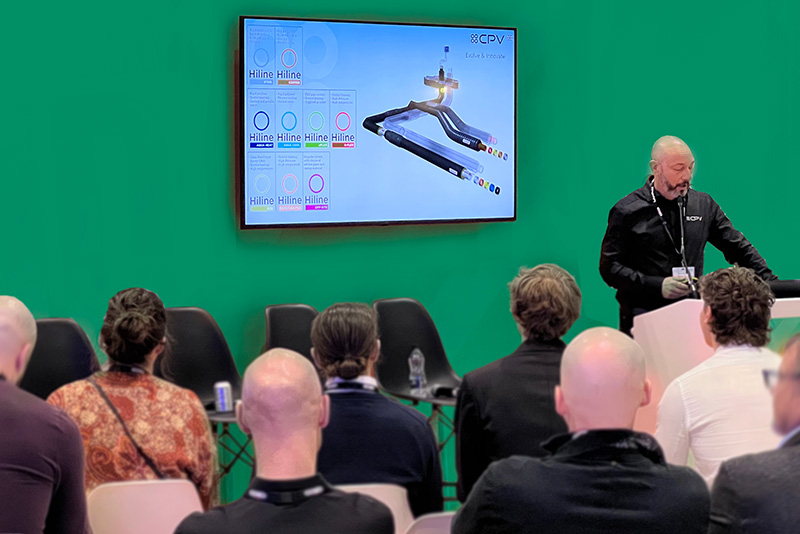
CIBSE-Certified CPD for Pre-insulated Heat Network Design and Specification
Training installers, supervisors and maintenance operatives, our brand new, purpose-built training centre allows for not only the theory, but hands-on practical experience in the correct method for installing our pipe systems. In addition to this, we also offer training courses in the design, installation, commissioning and maintenance of electronic surveillance systems – including the use of our own buried pipe network, on which we can simulate moisture faults as part of the practical training.

Electronic surveillance systems support

Tool sales and hire
We offer both the sale and short-term hire of all the specialist tools required to install our pipe systems.
This can include tools such as those required for pressing axial compression joints on our flexible systems, peeling tools for rigid polymer service pipes and all types of electro-fusion welding machines required for service pipes and outer casing joints. Leak detection systems are also covered – including all necessary testing and commissioning equipment.